India’s 30% Pulse Tariff Triggers Fresh Strain in Ongoing US–India Trade Talks

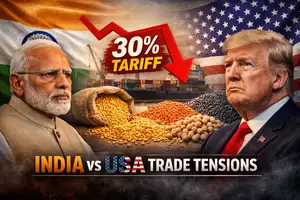
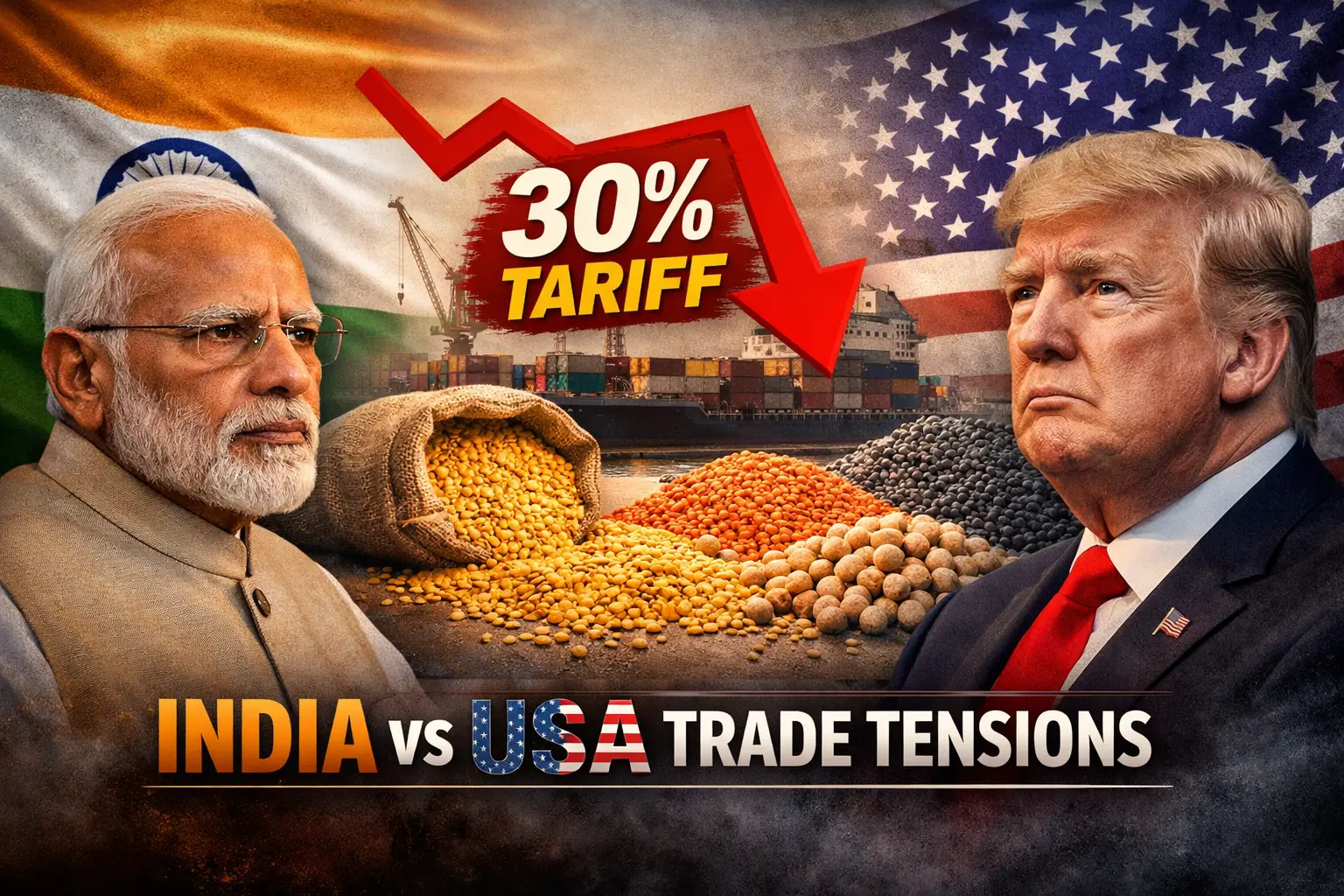
India’s decision to re-impose a 30 percent import duty on certain US pulses has reopened a sensitive chapter in bilateral trade negotiations. The tariff, which New Delhi describes as a protective step for domestic farmers, has drawn sharp criticism in Washington especially from senators who argue it undermines the ongoing trade dialogue.
Domestic Protection or Diplomatic Setback?
The Government of India maintains that the tariff move is aligned with domestic market conditions. Officials say rising stock levels, farmer welfare considerations, and seasonal price fluctuations justified the reactivation of duties on select pulse varieties.
But in the United States, lawmakers have interpreted the action as a reversal of previous trade assurances. Several senators have already sent letters pressing the administration to respond, calling the tariff “unfair” and “disruptive to American growers.”
Why Washington Is Upset
US agricultural groups and lawmakers argue that India’s large and growing food market cannot be accessed reliably when sudden tariffs are introduced without longer notice windows. Many exporters say that shipments planned months in advance are now facing losses.
A notable concern is that the tariff arrives at a critical point in bilateral negotiations. US officials were expecting greater market access for American farm products, including chickpeas, lentils, and other pulses. India’s move, they say, complicates those expectations.
India’s Strategic Logic
Indian officials defend the decision on three key grounds:
• Volatile domestic prices across several pulse varieties.
• Pressure to protect MSP procurement cycles before elections in major agricultural states.
• Concerns about import surges that could destabilize local markets.
New Delhi insists that the tariff is not a hostile gesture toward the United States but a routine domestic policy tool. However, timing remains central to the political reaction abroad.
Could This Affect the Broader Trade Deal?
Trade analysts warn that the tariff issue risks slowing momentum on a larger US–India economic agreement that has been under discussion for months. While both sides have avoided public escalation, private briefings indicate that Washington wants this resolved quickly.
Some experts argue the dispute could even become symbolic—testing whether both countries can absorb disagreements without letting them derail high-level negotiations.
Impact on Global Pulse Markets
The global pulse market is sensitive to Indian policy changes because India is one of the world’s largest consumers. When duties rise, international prices can dip due to reduced demand. Traders in Canada, Australia, and the United States monitor India’s tariff moves very closely.
Early indicators suggest that the latest increase may temporarily depress export prices, especially for chickpeas and lentils.
Political Pressure Builds in Washington
American senators representing major farming states have already called for diplomatic “pushback.” Some have urged the administration to condition future concessions to India on predictable agricultural access.
The debate comes at a time when both nations are trying to deepen strategic cooperation in technology, defense, and supply chains. A trade dispute, even a narrow one, can become a political flashpoint.
India’s Balancing Act
Economists point out that India’s challenge is long-term: protecting millions of small farmers while negotiating with partners demanding market access. Some in New Delhi believe the current tariff is temporary and may be reviewed once domestic prices stabilize.
However, the United States is signaling that predictability is more important than the duty rate itself. The concern is not only the percentage but the frequency of tariff changes.
What Happens Next
Negotiators are expected to discuss the issue in upcoming trade meetings. Both sides have indicated privately that they want to avoid escalation. The expectation among analysts is that India may introduce easing measures or clarifications over the next quarter, especially if farmer supply conditions improve.
Until then, the dispute remains a significant point of tension—and a reminder of how sensitive agricultural trade can be, even between close strategic partners.
Also Read: Why India’s Rupee Weakness Is a Five-Channel Risk to the Economy