Greenland–US Conflict 2026: Sovereignty, Strategy, and Arctic Tensions Explained

Rising Pressures in the Arctic
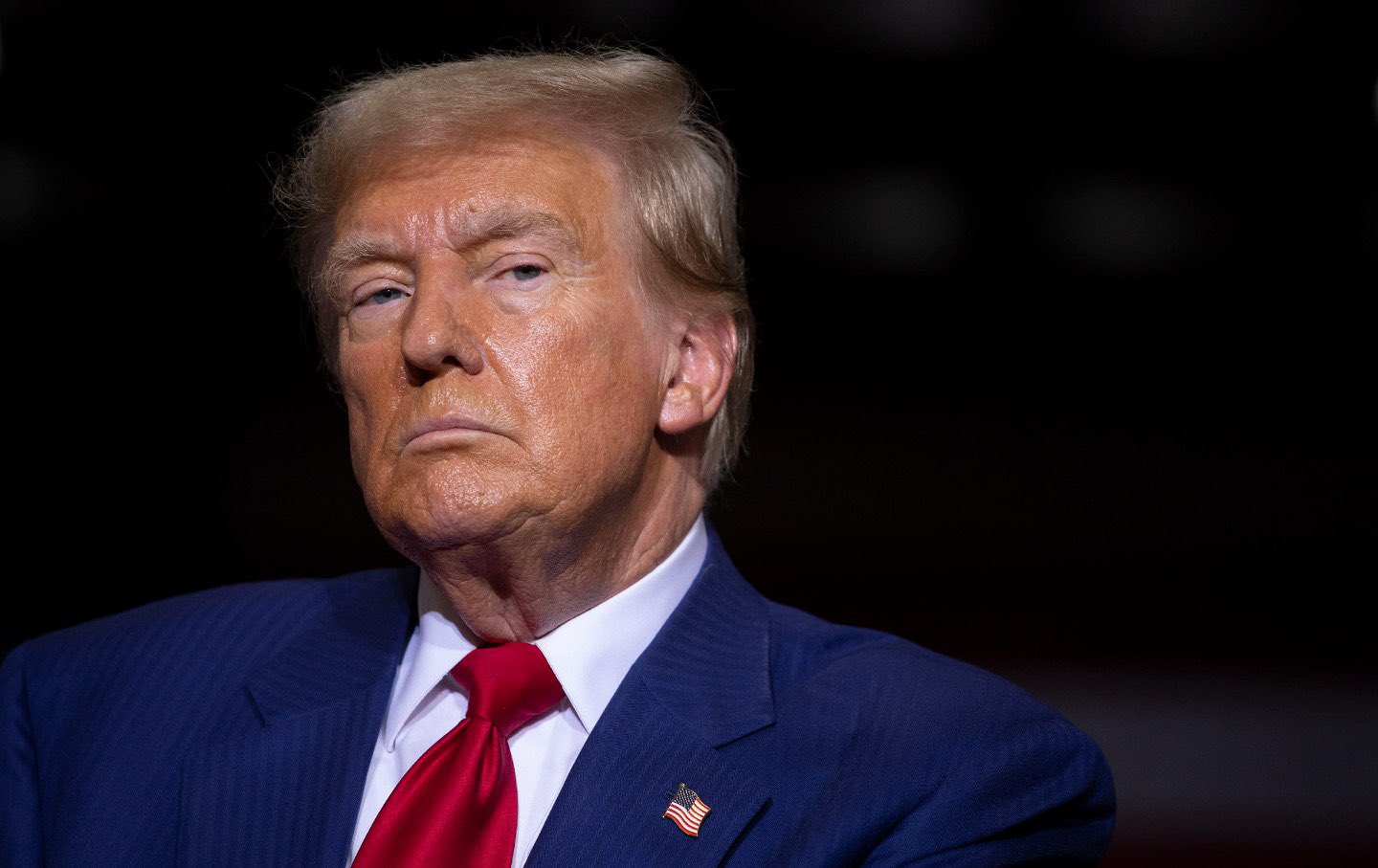
The Arctic region has come a crucial focus in global geopolitics, with Greenland, asemi-autonomous home of Denmark, at the heart of a growing standoff with the United States. In early January 2026, U.S. President Donald Trump drew transnational attention by suggesting that the U.S. could acquire Greenland, presenting it as a matter of public security. This urged immediate political and politic responses from leaders in Greenland, Denmark, and NATO abettors , revealing the perceptivity around Arctic sovereignty and strategic control.
This composition looks at the rearmost developments in the Greenland- U.S. disagreement, its strategic counteraccusations , resource aspects, transnational responses, and possible consequences for Arctic geopolitics.
1. Current Developments Politic Standoff
Greenland’s congress, the Inatsisartut, has precipitously listed a session to bandy the recent U.S. commentary. Leaders from all major parties have condemned any notion of external control, stating that only Greenlanders should decide their home’s future.
In the U.S., a bipartisan group of former elderly officers, includingex-ambassadors and adjunct registers of state, openly opposed any military intervention or preemption of Greenland. They advised that any unilateral action could destabilize NATO, detriment U.S. credibility, and invite transnational counterreaction.
European leaders have also spoken out. Italian Prime Minister Giorgia Meloni ruled out any U.S. military preemption of Greenland and called for stronger NATO involvement to insure security in the Arctic. Meanwhile, Greenlandic authorities have proposed meeting directly with U.S. officers, skipping Denmark, which highlights the growing pressures between Greenland’s autonomy and Denmark’s indigenous part.
2. Strategic Significance of Greenland
Greenland’s significance is due to its terrain, coffers, and military value.
Military and Strategic significance Greenland is home to the Pituffik Space Base, a pivotal U.S. installation for bullet defense, early warning systems, and Arctic surveillance. Control of Greenland would greatly impact indigenous security dynamics and North American defense structure.
Resource Implicit Greenland has significant rare earth minerals, essential for defense and clean energy technologies, including neodymium and dysprosium, which are used in electric vehicles, wind turbines, and military outfit. Climate change has opened preliminarily inapproachable areas, raising interest in mining, indeed though logistical and environmental hurdles remain high.
Geopolitical environment Greenland is strategically located between North America and Europe, making it a high spot for covering Arctic shipping lanes. Global powers like Russia and China are laboriously adding their investments in the Arctic, enhancing the competition for influence. The U.S. frames its interest as a way to fight these nations, citing public security and defense precedences in the region.
3. U.S. Position and Statements
The U.S. administration has presented its interest in Greenland as a strategic necessity, stressing security enterprises and the need to fight Russian and Chinese influence in the Arctic. President Trump’s commentary inferred that Greenland could be “ acquired ” to keep adversaries from gaining control, dismissing indispensable approaches like expanded defense agreements or hookups.
While some American policymakers view Greenland as pivotal for Arctic operations, experts advise that aggressive conduct could disrupt alliances, violate transnational morals, and lead to politic fallout.
4. Danish and Greenlandic Response
Denmark, which handles Greenland’s foreign affairs under the current constitution, has forcefully rejected any U.S. preemption suggestions. Danish Prime Minister Mette Frederiksen stated that sovereignty and alliance scores must be recognized, warning that any unilateral U.S. conduct could harm NATO cooperation.
Greenlandic leaders have constantly asserted that the islet is n’t for trade. numerous call for full independence from Denmark, emphasizing that Greenlanders must decide their own future. This station highlights a growing sense of public identity and autonomy within the home.
5. transnational responses
The Greenland- U.S. pressures have caught the attention of NATO and European Union mates. Leaders stressed the significance of esteeming Greenland’s sovereignty and icing any opinions involve both Greenland and Denmark. Italy’s Prime Minister Meloni, for case, called for a strengthened NATO part in the Arctic, signaling that indigenous security should be a collaborative trouble, not unilateral.
These responses show a broader transnational concern that aggressive territorial claims by the U.S., a crucial NATO member, could damage alliance concinnity and transnational morals. spectators suggest that maintaining politic balance while addressing Arctic security is vital to help escalation.
6. The Arctic Context and Global Counteraccusations
The Greenland disagreement is part of a larger competition in the Arctic, where melting ice, new shipping routes, and untapped coffers are drawing global interest. Russia and China are erecting structure and making investments in the area, raising the stakes. Greenland represents a unique blend of terrain, coffers, and military value, making it a implicit flashpoint.
crucial undetermined issues include
- Whether Greenland will seek complete independence from Denmark.
- How Western powers can balance security requirements with respect for sovereignty.
- How to manage and prize natural coffers in ways that profit Greenlanders while precluding external exploitation.
Experts advise that U.S. interest in Greenland may heighten pressures in the Arctic, potentially driving a series of territorial and military controversies.
7. Implicit scripts and Outlook
The conflict over Greenland and the U.S. is substantially politic and rhetorical at this point. Possible scripts include
-Ongoing politic addresses that concentrate on Greenlandic autonomy and multinational security cooperation.
- Increased NATO engagement to formalize defense fabrics in the Arctic.
- A stronger U.S. strategic presence in the area through being bases, without direct territorial control.
- Rising pressures if unilateral conduct are tried, risking transnational counterreaction and domestic review in both the U.S. and Denmark.
The unfolding situation shows that Arctic geopolitics is n’t just an afterthought; it’s pivotal to global security, trade, and resource competition.
Conclusion Sovereignty, Strategy, and Global Stakes
The ongoing conflict over Greenland and the U.S. highlights the complex blend of sovereignty, strategic interests, and global politics. Greenland’s leaders, Denmark, and NATO abettors assert that any opinions regarding the home must admire transnational law and original autonomy. Meanwhile, U.S. statements and strategic pretensions indicate a continued interest in Arctic influence and security.
As the world observes, Greenland has come a central point for resource security, military strategy, and geopolitical balance. The elaboration of this conflict will affect not only the U.S., Denmark, and Greenland but also have lasting impacts on Arctic governance, transnational law, and global power dynamics.
Also Read:
Top Selling Cars in India 2025: Trends, Features, and Prices
Exploring India Top Destinations for trip and Learning in 2026