Exploring India Top Destinations for trip and Learning in 2026

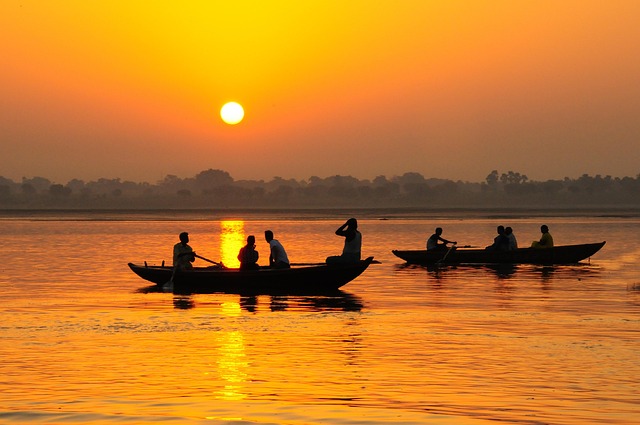
Varanasi, one of the oldest continuously inhabited cosmopolises in the world, is a living classroom. deposited on the banks of the Ganges, the municipality is a mecca of religious rituals, music, and classical knowledge. Walking along its ghats at daylight offers trippers a regard into centuries-old traditions that continue without interruption.
For those interested in philosophy, religion, and history, Varanasi is unmatched. Banaras Hindu University provides openings for scholarly observation, while temples like Kashi Vishwanath show intricate architecture and spiritual practices. Witnessing the quotidian Ganga aarti or exploring narrow lanes filled with shops dealing traditional crafts allows guests to substantiation culture firsthand.
Varanasi is n’t only about the history; the municipality thrives with festivals, music, and academic events, offering perceptivity into how tradition and modern life attend in contemporary India.
Jaipur Where History Meets Science
Jaipur, the Pink City of Rajasthan, is famed for its castles, palaces, and requests. Beyond the aesthetic appeal, it’s a destination for travelers interested in architecture, astronomy, and Rajput history. Jantar Mantar, the astronomical overlook, remains an emotional study in celestial dimension. Its massive instruments were designed to track stars and planetary movements with remarkable delicacy.
Amber Fort, City Palace, and Hawa Mahal offer assignments in architecture, communal planning, and heritage preservation. Jaipur also provides an insight into original trades, crafts, and cultural traditions, making it ideal for those who want to combine sightseeing with knowledge. Walking tours through stores reveal centuries-old trades, from block printing to gemstone work, offering guests a hands- on cultural experience.
Puducherry Colonial Charm and Spiritual perceptivity
Puducherry, formerly Pondicherry, is a coastal megacity that blends French social architecture with Indian culture. Its quiet expressways, light- varicolored structures, and tree- lined carriageways tell stories of communal planning and heritage preservation.
The megacity is also home to the Sri Aurobindo Ashram and Auroville, communities devoted to spiritual philosophy and sustainable living. guests can study experimental community models, validation contemplation practices, and explore the integration of modern life with spiritual ideals. Beyond church, Puducherry’s requests, beaches, and cuisine offer cultural immersion, making it a balanced destination for trip and study.
Kochi Trade, Heritage, and the backwoods
Kochi, in Kerala, is a municipality shaped by centuries of maritime trade. Portuguese, Dutch, and British influences are visible in Fort Kochi, with its social structures, churches, and synagogues . The municipality provides a living laboratory for history, cultural commerce, and architecture.
near, the Kerala backwoods present a unique ecosystem to study water- predicated livelihoods, swamp ecology, and sustainable tourism. Houseboat tenures through these courses allow travelers to observe traditional societies, rice paddies, and the commerce between humans and the terrain. Kochi’s spice requests, maritime galleries, and folk art centers add depth, making it a holistic educational experience.
Ranikhet and Almora Himalayan Learning
The Himalayan cosmopolises of Ranikhet and Almora offer trippers a chance to explore ecology, biodiversity, and traditional mountain societies. girdled by pine timbers and snow-limited peaks, these cosmopolises are ideal for nature suckers, geographers, and environmental scholars.
Original communities in these regions have saved Kumaoni traditions for centuries. guests can engage with folk music, crafts, and agricultural practices, gaining insight into the relationship between culture and the natural terrain. also, the region’s timbers and wildlife sanctuaries give openings for fieldwork and ecological study, making the Himalayas a living classroom.
Mysore and Coorg Nature, Heritage, and Agriculture
Mysore, the municipality of palaces, and Coorg, the coffee region, offer interdisciplinary knowledge exploits. Mysore’s heritage structures and royal history give assignments in communal planning and art. The Mysore Palace, with its intricate busts, is a visual record of Indian tradesman, while original galleries house collections that reflect centuries of cultural exchange.
Coorg’s coffee colonies and timbers make it a center for husbandry, environmental wisdom, and sustainable practices. travelers can observe colony life, share in estate exertion, and study biodiversity in one of India’s richest ecosystems. The combination of culture, history, and ecology makes this region an ideal destination for learners of all ages.
Leh- Ladakh High- Altitude Adventures and Cultural Immersion
For those seeking terrain, geology, and cultural studies, Leh- Ladakh is unmatched. High- altitude topographies, dramatic mountain ranges, and glacial dales offer insight into the physical forces that shape the region. priories like Thiksey and Hemis give assignments in Tibetan Buddhism, art, and ritual.
guests can study original acclimatizations to extreme surroundings, high- altitude physiology, and sustainable practices that have allowed communities to thrive in a harsh terrain. Adventure trip also becomes a knowledge experience, combining trekking, cultural exploration, and ecological observation.
Kanyakumari Geography and Cultural Significance
Kanyakumari, located at the southern tip of India, is where the Arabian Sea, Bay of Bengal, and Indian Ocean match. This unique geographic position allows travelers to study coastal ecosystems and maritime patterns.
The region is also significant culturally. temples, monuments, and original rituals give terrain for religious studies and anthropology. suns and gloamings at Kanyakumari are n’t just scenic they offer insight into astronomical sensations observed for centuries, connecting natural observation with cultural narratives.
Conclusion
India offers an extraordinary mix of history, culture, church, and nature. Each destination provides openings to learn, reflect, and engage with its terrain in meaningful ways. Whether wandering the ghats of Varanasi, studying lookouts in Jaipur, or traveling in the Himalayas, trippers gain exploits that go beyond traditional tourism.
Planning trip with a focus on observation, participation, and reflection ensures that each trip becomes an educational trip. India’s diversity guarantees that there is commodity for every curious mind, making it a destination that informs, inspires, and transforms.